
Viele junge Menschen starten motiviert in ein technisches oder naturwissenschaftliches Studium. Doch gerade in anspruchsvollen Studiengängen können nach den ersten Semestern Fragen entstehen: Passt das Studium wirklich zu mir? Wofür brauche ich die Inhalte später? Welche beruflichen Möglichkeiten habe ich nach dem Abschluss? Und wie finde ich heraus, welcher Weg zu meinen Interessen und Stärken passt?
Zum Wintersemester startet Network Energy Talents deshalb das neue Durchstarten Energy-Mentoring by NET. Das Programm läuft von Oktober 2026 bis März 2027 und richtet sich besonders an Studierende der Elektrotechnik und des Wirtschaftsingenieurwesens, die Perspektiven für eine Karriere im Energiesektor entwickeln möchten. Im Mittelpunkt steht eine einfache, aber wichtige Idee: Mentoring kann Orientierung schaffen, bevor Unsicherheit zu groß wird. Es bringt junge Talente mit erfahrenen Menschen aus der Energiebranche zusammen, macht berufliche Möglichkeiten sichtbar und zeigt, wie vielfältig die Energiewende als Arbeitsfeld ist.
Was ist Mentoring?
Mentoring ist ein bewährtes Instrument zur persönlichen und beruflichen Entwicklung. Eine erfahrene Person, also die Mentorin oder der Mentor, gibt Wissen, Erfahrungen und Einblicke an eine weniger erfahrene Person weiter. Diese Person, die Mentee, erhält dadurch Unterstützung bei Fragen rund um Studium, Berufseinstieg, Karriereplanung und persönliche Entwicklung.
Anders als eine reine Informationsveranstaltung lebt Mentoring vom persönlichen Austausch. Es geht nicht nur darum, Fakten über Studiengänge, Unternehmen oder Berufsbilder zu vermitteln. Entscheidend ist die Möglichkeit, eigene Fragen zu stellen, Unsicherheiten einzuordnen und aus den Erfahrungen anderer zu lernen.
Gerade in technischen Studiengängen kann das sehr wertvoll sein. Viele Studieninhalte wirken zunächst abstrakt. Erst durch den Blick in die Praxis wird deutlich, welche Aufgaben, Rollen und Entwicklungsmöglichkeiten sich daraus ergeben können.
Wie hilft Mentoring bei der Orientierung im Studium?
Mentoring hilft Studierenden, ihre Interessen, Stärken und Ziele besser einzuordnen. Wer sich fragt, ob ein technisches Studium der richtige Weg ist, braucht häufig mehr als allgemeine Informationen. Hilfreich sind Gespräche mit Menschen, die ähnliche Fragen selbst erlebt haben und heute in der Praxis arbeiten.
Mentorinnen und Mentoren können zeigen, dass ein Studium nicht immer geradlinig verlaufen muss. Sie können berichten, wie sie mit schwierigen Phasen umgegangen sind, welche Entscheidungen für ihren beruflichen Weg wichtig waren und welche Kompetenzen im Arbeitsalltag tatsächlich gebraucht werden.
So entstehen Antworten auf Fragen, die viele Studierende beschäftigen:
- Wie halte ich in anspruchsvollen Studienphasen durch?
- Welche beruflichen Möglichkeiten eröffnet mir mein Studienfach?
- Welche Aufgaben gibt es in der Energiebranche?
- Welche Fähigkeiten sollte ich fachlich und persönlich weiterentwickeln?
- Wie gelingt der Übergang vom Studium in den ersten Job?
- Welche Rolle kann ich selbst in der Energiewende übernehmen?
Mentoring schafft damit Orientierung, weil es persönliche Entwicklung, Studienmotivation und berufliche Perspektiven miteinander verbindet.
Warum Mentoring gerade in technischen Studiengängen wichtig ist
Technische Studiengänge und MINT-Fächer, also in Mathematik, Informatik, Naturwissenschaften und Technik, bieten starke Zukunftsperspektiven, können aber auch herausfordernd sein. Hohe fachliche Anforderungen, abstrakte Inhalte und zunächst unklare Berufsbilder führen bei manchen Studierenden dazu, dass sie an ihrer Entscheidung zweifeln. Besonders dann ist es wichtig, frühzeitig Orientierung und Unterstützung zu erhalten.
Mentoring kann helfen, solche Phasen einzuordnen. Es zeigt Studierenden, dass Schwierigkeiten im Studium nicht automatisch bedeuten, dass der eingeschlagene Weg falsch ist. Oft fehlt nicht das Interesse, sondern der konkrete Bezug zur Praxis. Wenn sichtbar wird, wofür das eigene Wissen später gebraucht wird, kann neue Motivation entstehen.
Gerade im MINT-Bereich werden viele gesellschaftlich relevante Zukunftsthemen greifbar: Energietechnik, Netzbetrieb, erneuerbare Energien, Digitalisierung oder Wasserstoff. Mentorinnen und Mentoren können erklären, welche konkreten Aufgaben hinter diesen Begriffen stehen, welche Kompetenzen im Arbeitsalltag gebraucht werden und wie vielfältig technische Berufe in der Energiebranche sind.
Das hilft besonders jungen Menschen, die sich für Zukunftsthemen interessieren, aber noch keinen klaren beruflichen Weg vor Augen haben. Mentoring kann Hemmschwellen abbauen, persönliche Vorbilder sichtbar machen und Mut geben, Fragen zu stellen. Wer erlebt, dass der eigene Studienweg später zu konkreten Aufgaben in der Energiewende führen kann, entwickelt leichter eine Perspektive für die eigene Zukunft.
Was ist das Besondere am Energy-Mentoring by NET?
 Das Durchstarten Energy-Mentoring by NET verbindet persönliche Begleitung mit dem starken Netzwerk des Vereins. Die Mentees profitieren nicht nur vom Austausch mit einer einzelnen Mentorin oder einem einzelnen Mentor. Sie erhalten Zugang zu einem breiteren Netzwerk aus Unternehmen, Hochschulen und Fachkräften der Energiebranche.
„Gerade in anspruchsvollen technischen Studiengängen brauchen junge Menschen nicht nur fachliche Informationen, sondern persönliche Orientierung und echte Einblicke in die Praxis. Mit dem Energy-Mentoring by NET möchten wir Studierende frühzeitig stärken, ihnen Perspektiven in der Energiebranche aufzeigen und sie dabei unterstützen, ihren Weg in die Energiewende zu finden“
Wibke Rauh, stellvertretende Vorsitzende NET und Personal bei 50Hertz
Dadurch entstehen Einblicke in unterschiedliche Bereiche des Energiesektors. Studierende lernen nicht nur ein Unternehmen oder einen einzelnen Karriereweg kennen, sondern bekommen ein besseres Verständnis dafür, wie vielfältig die Branche aufgebaut ist. Dazu gehören etwa Netzbetrieb, Projektmanagement, Technik, Digitalisierung, Strategie, Beratung, Regulierung oder Unternehmensentwicklung.
Das Programm umfasst einen Online-Kick-off, einen vorbereitenden Peer-Talk, individuelle Mentoring-Treffen, Empowerment-Workshops und eine Arbeitsplatzbesichtigung bei einem NET-Mitglied. Damit verbindet es fachlichen Austausch, persönliche Entwicklung, Netzwerkaufbau und authentische Praxiseinblicke.
Welchen Mehrwert haben Mentees?
Für Mentees bietet das Energy-Mentoring by NET vor allem Orientierung, Ermutigung und Zugang zur Praxis. Sie erhalten die Möglichkeit, ihre Fragen mit erfahrenen Personen aus der Energiebranche zu besprechen und dadurch klarer zu sehen, welche Wege für sie interessant sein könnten.
Besonders wertvoll ist der Blick hinter die Kulissen. Eine Arbeitsplatzbesichtigung, Gespräche mit Fachkräften und der Austausch mit anderen Teilnehmenden machen die Energiebranche greifbarer. Studierende erfahren, wie Unternehmen arbeiten, welche Aufgaben im Alltag anfallen und welche Kompetenzen für den Berufseinstieg wichtig sind.
Gleichzeitig stärkt das Programm die persönliche Entwicklung. Die Mentees können ihre eigenen Stärken besser erkennen, Unsicherheiten reflektieren und konkrete nächste Schritte planen. Das kann helfen, Studienzweifel zu reduzieren, Motivation aufzubauen und eine klarere Perspektive für die eigene Zukunft zu entwickeln.
Welchen Mehrwert haben Mitgliedsunternehmen?
Auch für die Mitgliedsunternehmen von NET bietet das Mentoring-Programm einen klaren Mehrwert. Sie kommen frühzeitig mit engagierten Studierenden in Kontakt, die sich für technische Themen und die Energiebranche interessieren. Dadurch entsteht eine Verbindung zu jungen Talenten, lange bevor konkrete Bewerbungsprozesse beginnen.
Unternehmen können zeigen, welche Aufgaben, Arbeitsfelder und Entwicklungsmöglichkeiten sie bieten. Sie machen sichtbar, warum technische Kompetenzen für die Energiewende gebraucht werden und welche Rolle junge Fachkräfte in der Branche übernehmen können. Gleichzeitig gewinnen sie ein besseres Verständnis dafür, welche Fragen und Erwartungen Studierende heute mitbringen.
Das Programm stärkt damit nicht nur die Nachwuchsförderung, sondern auch die Bindung zwischen Hochschulen, Studierenden und Unternehmen. Für die NET-Mitglieder ist Mentoring eine Möglichkeit, Verantwortung für die Fachkräftesicherung zu übernehmen und aktiv dazu beizutragen, junge Menschen für die Energiezukunft zu gewinnen.
NET: Orientierung durch ein starkes Netzwerk
Network Energy Talents e. V. ist ein gemeinnütziger Verein, der junge MINT-Talente für die Energiewende gewinnen, begeistern und befähigen möchte. Mit Formaten wie Podiumsdiskussionen, Workshops, Unternehmensbesuchen und Mentoring bringt NET Studierende mit Menschen aus der Praxis zusammen.
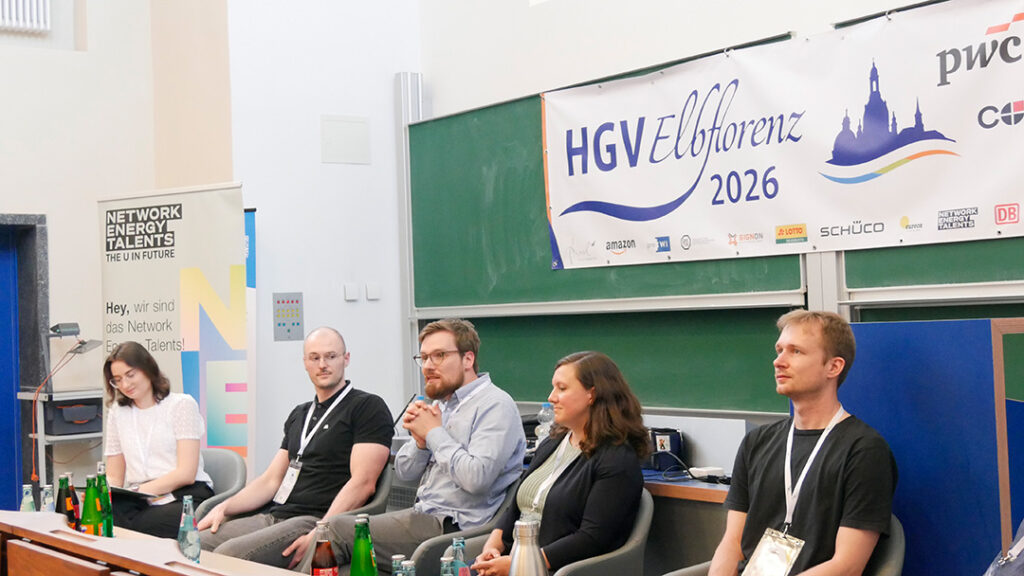
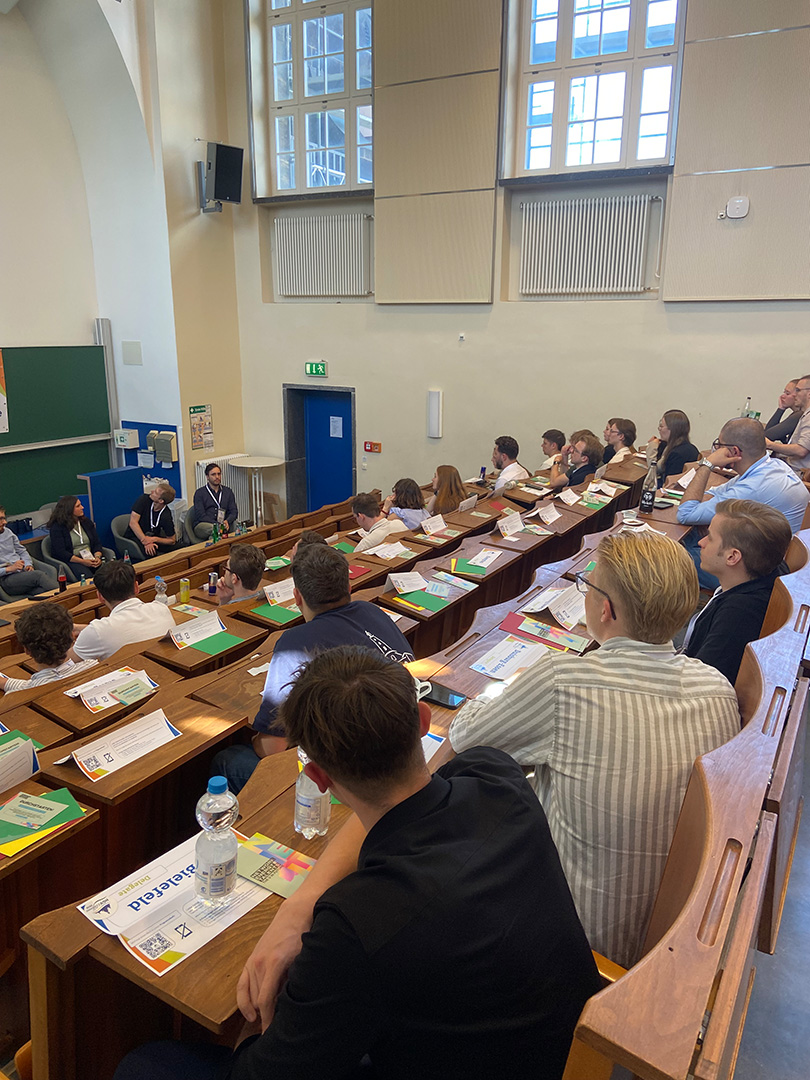
Wie wertvoll dieser Austausch ist, zeigte zuletzt die VWI-Hochschulgruppenversammlung an der TU Dresden. Dort kamen Studierende mit Fachkräften aus NET-Partnerunternehmen ins Gespräch und erhielten persönliche Einblicke in Studienwege, Berufseinstiege und Aufgaben in der Energiebranche. Solche Begegnungen machen deutlich, dass Orientierung oft dort entsteht, wo junge Menschen ihre Fragen direkt an Personen aus der Praxis richten können. Das Energy-Mentoring by NET führt diesen Gedanken weiter und erweitert ihn um eine kontinuierliche Begleitung über mehrere Monate.
Mentoring als Brücke zwischen Studium und Energiewende
Die Energiewende ist eine der zentralen Zukunftsaufgaben unserer Zeit. Sie braucht junge Menschen, die technische Herausforderungen verstehen, Verantwortung übernehmen und neue Lösungen mitgestalten möchten. Gleichzeitig brauchen diese jungen Menschen Orientierung, Unterstützung und konkrete Einblicke, um ihren eigenen Weg zu finden.
Mentoring macht die Energiewende persönlich. Statt nur über große Ziele zu sprechen, zeigt es konkrete Wege in die Branche. Junge Menschen erfahren, welche Aufgaben es gibt, welche Fähigkeiten gefragt sind und wie sie selbst Teil dieser Entwicklung werden können.
So entsteht Begeisterung nicht nur durch ein Thema, sondern durch den Bezug zum eigenen Leben. Wer versteht, welche Rolle die eigene Arbeit für Klimaschutz, Versorgungssicherheit und technische Innovation spielen kann, findet leichter Motivation und Orientierung.