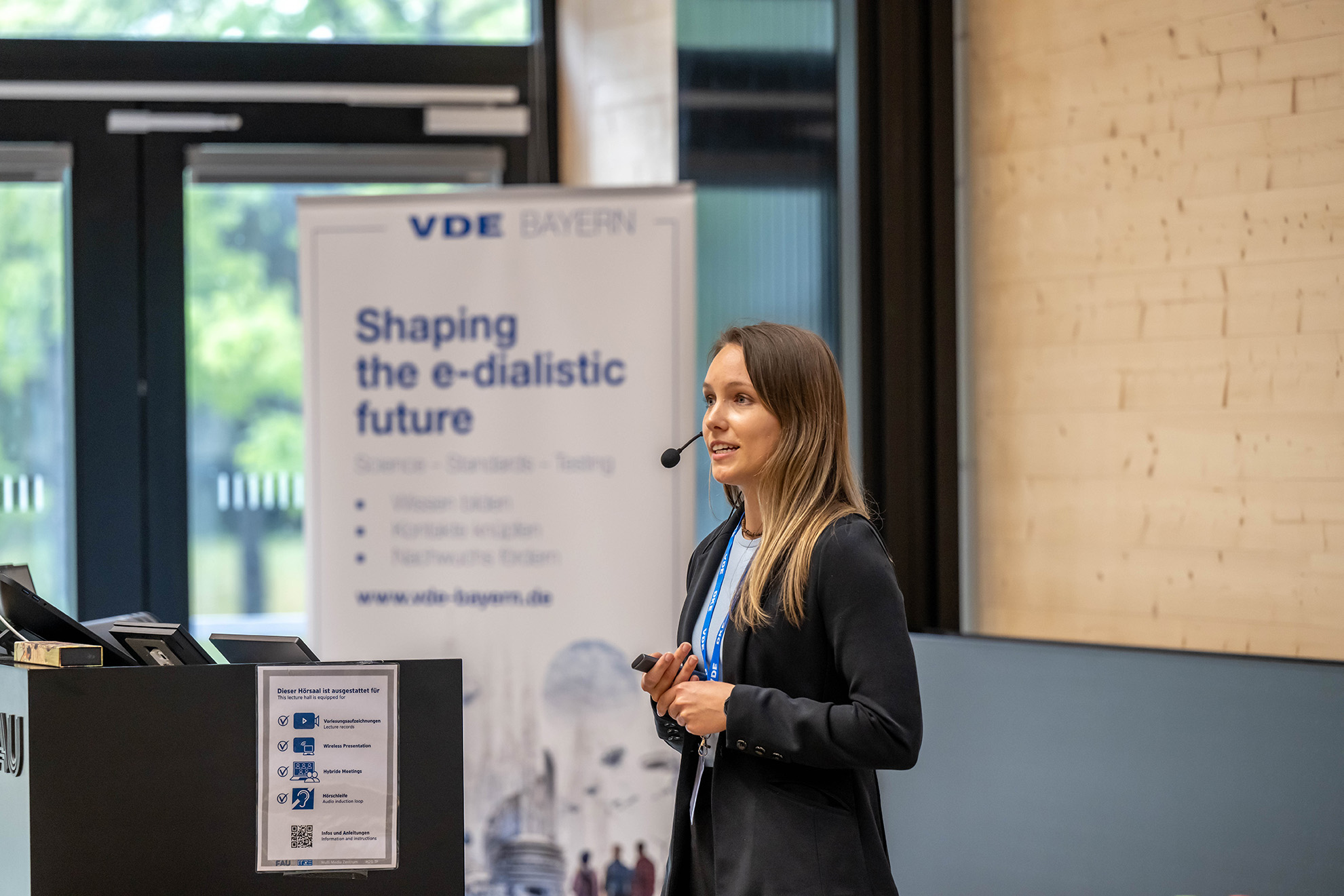
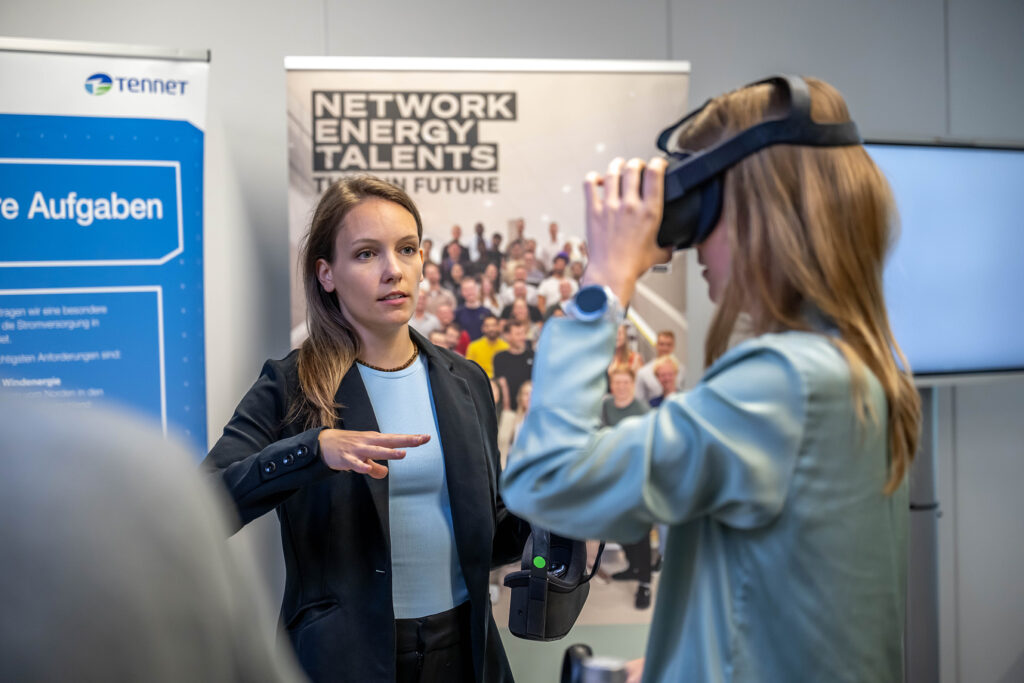
How do you explain how a heat pump works so clearly that even someone without technical knowledge can understand it straight away? At the VDE Bayern Student Forum 2026 at FAU Erlangen-Nürnberg, more than 200 pupils showed just how varied, creative and hands-on STEM can be.
On 28 July 2026, pupils from all types of schools, ranging from Year 5 to upper secondary level, came together to present their ideas and projects in mathematics, computer science, natural sciences and technology. A total of 34 contributions highlighted just how broad the spectrum of technical and scientific topics is today.
STEM topics ranging from cybersecurity to energy
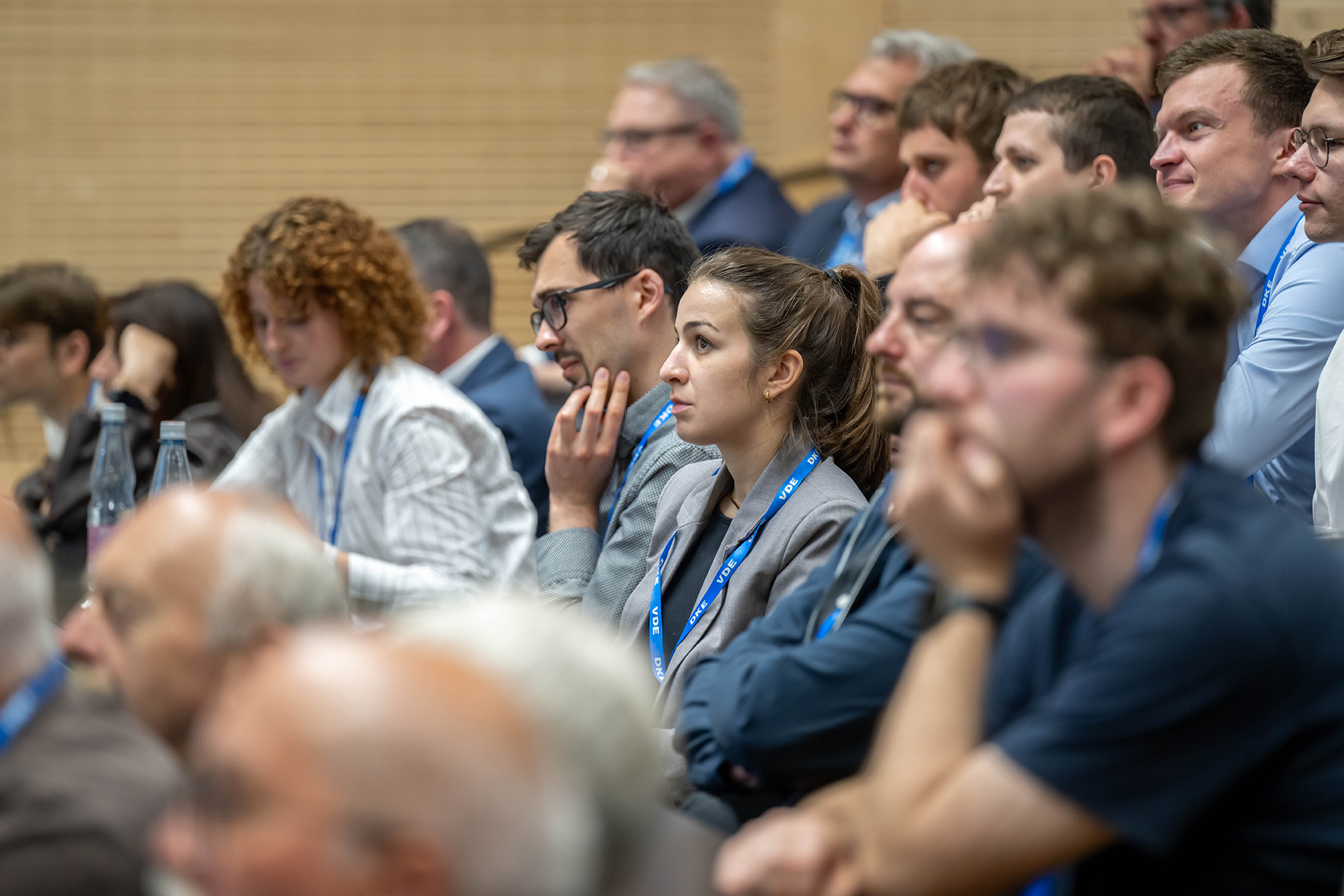
The 34 presentations demonstrated the wide range of interests among the pupils. The projects covered digital technologies, natural sciences and sustainability as well as topics from medicine, energy and space exploration.
The topics presented included:
- “Cybersecurity – how secure is our data?”
- “Real-time response – how AI can save lives faster”
- “Sustainable textiles put to the test – can nettle and hemp fibres replace cotton?”
- “The physics of figure skating”
- “What bouncy balls and organs have in common and how this can help us diagnose cancer and tumours”
- the question of how scientists search for extraterrestrial life and how realistic it is to detect it
Topics from the energy sector were also represented. One presentation explained clearly how a heat pump works, making even complex technical relationships understandable for the entire lecture hall. Other projects explored transparent solar panels and “Energy of the future: the Dyson swarm as a theoretical megasystem”.
This wide range of topics showed just how many different ways there are to engage with STEM. Some questions arose from the school curriculum, while others reflected the pupils’ own personal interests.
Sustainability as a topic for the younger generation
One particularly memorable moment was the appeal by a Year 9 pupil to act more sustainably and preserve the Earth as a liveable planet for future generations.
It became clear that STEM topics do not exist in isolation. They are closely linked to questions that will shape our future – from climate protection and energy supply to digitalisation, health and social responsibility.
Dr Jürgen Baier summed up another interpretation of STEM with the words: “Make. Intrinsic curiosity. Dare.”
This attitude was evident throughout the forum. The pupils explored topics that genuinely interested them, developed their own questions and had the confidence to present their findings to a large audience.
Why formats like the Student Forum matter
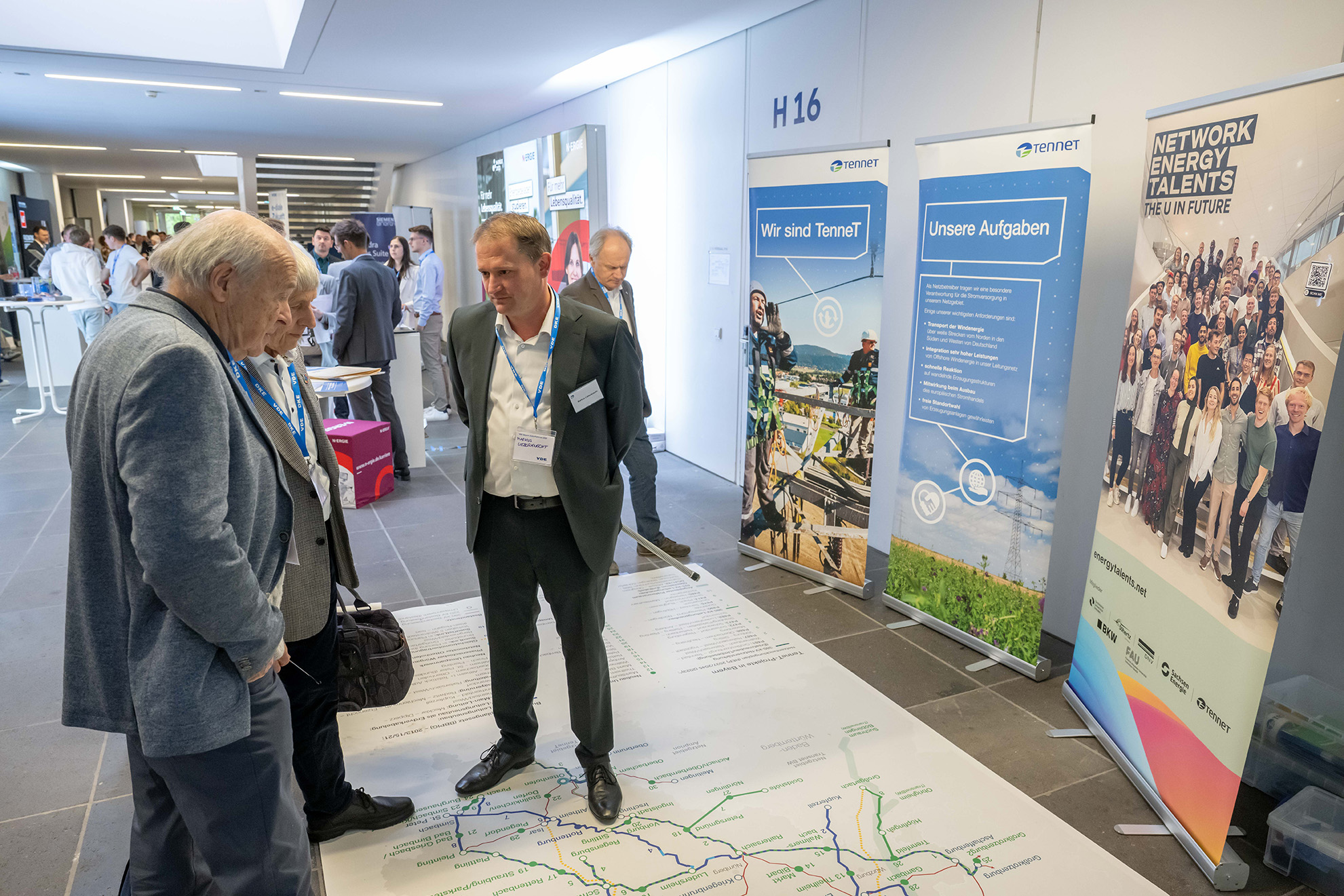
The VDE Bayern Student Forum brings together schools, universities and industry every year. Young people are given a platform for their ideas, outstanding achievements are recognised and technological topics of the future become tangible and accessible.
Formats like this can play an important role in strengthening interest in STEM subjects at an early stage. At the same time, they highlight the wide range of study and career opportunities available, including in the energy sector.
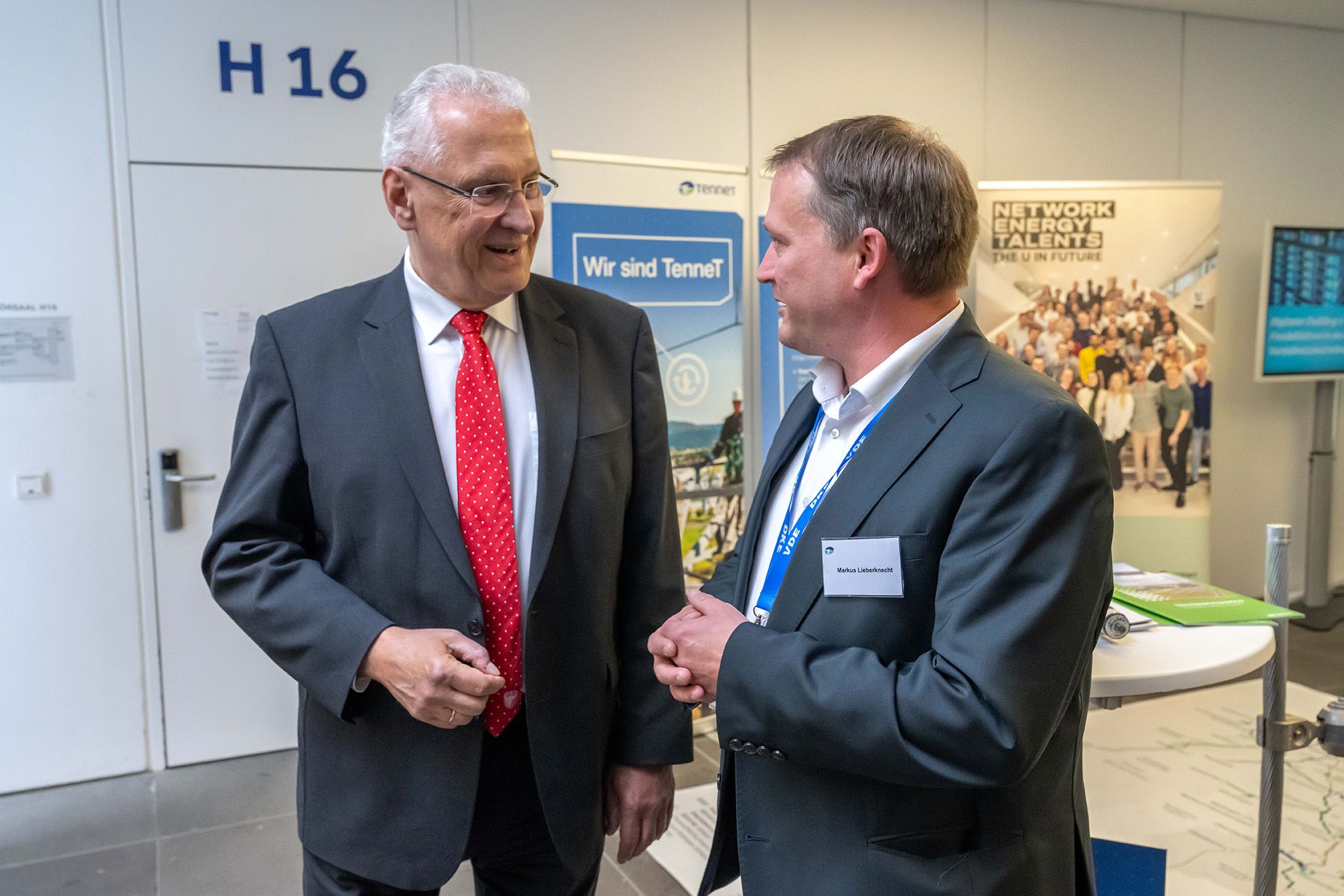
For Network Energy Talents, this connection is particularly important: when curiosity meets guidance and young talents gain insights into real-world future topics, initial interests can develop into concrete perspectives.
Supporting young talent through joint commitment
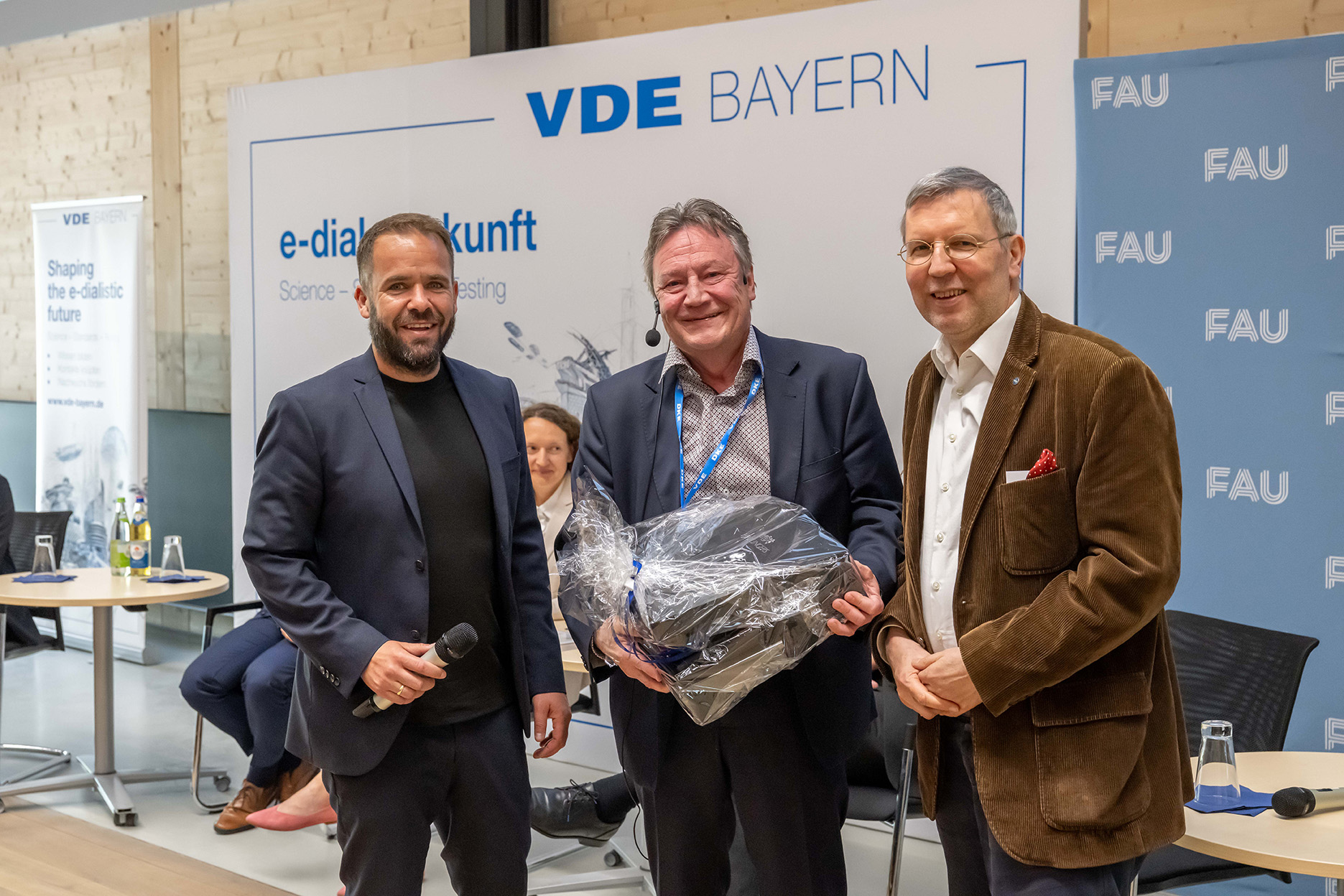
Our sincere thanks go to VDE Bayern, in particular Werner Battke and Tanja Schak for organising the event, as well as to all supporters who helped make the Student Forum what it was through inspiring words as guest speakers, thoughtful questions as members of the jury and prizes provided by sponsors: a morning that proved truly infectious in its enthusiasm for STEM careers.
One thing in particular stays with us: supporting young technical talent works especially well when young people are given the opportunity to experiment, explain and create for themselves.